Healthcare is under pressure to reduce its environmental footprint while maintaining the highest standards of patient safety. One of the most powerful levers to achieve both is a circular approach to medical device reprocessing — and ASP is leading the conversation.

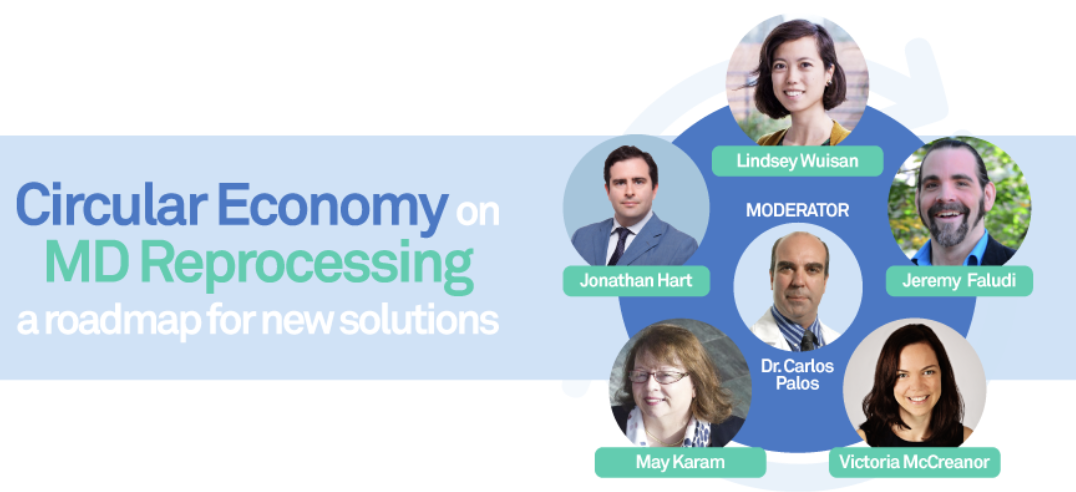
Our ASP LEARNING LAB - 2022 ASP Summit Webinar Series brought together global experts to explore how circular economy principles can reshape sterilization, device lifecycle management, and purchasing decisions across hospitals. Here are the essential insights.


Image
Series 3 Circular Economy


Why Circular Economy Matters in Healthcare

The traditional linear “take–make–dispose” model no longer works. Hospitals face rising waste volumes, resource constraints, and increasing scrutiny over environmental impact. A circular economy offers a smarter path forward by prioritizing:

  • Reuse over disposal
  • Durable design instead of planned obsolescence
  • Service models that maximize efficiency
  • Evidence-based decision-making grounded in environmental and economic data

For sterile processing and medical devices, circularity means extending device lifespan, optimizing sterilization workflows, reducing waste, and lowering overall environmental impact — without compromising patient safety.

What the Webinar Series Revealed
Summit Webinars

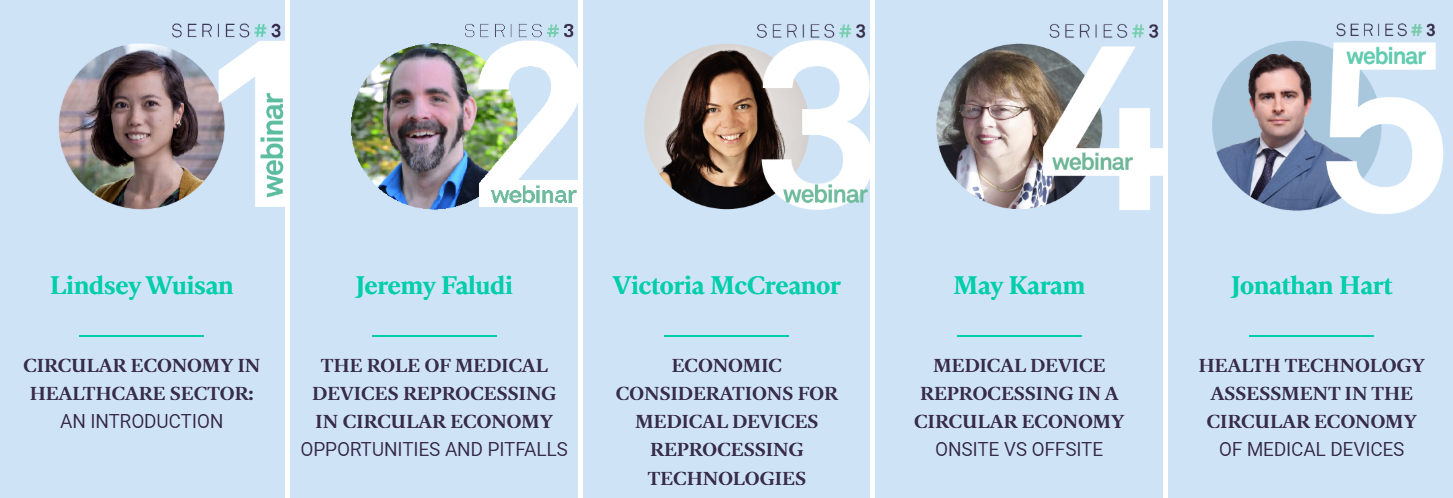
Webinar #1. Circular Economy in Healthcare | Lindsey Wuisan
A practical introduction to circular economy principles and what they mean for hospitals.
Key themes include how healthcare systems can shift toward re-usability, examples of successful circular initiatives, and common barriers such as infrastructure gaps and institutional resistance.


Webinar #2. The Role of Medical Device Reprocessing | Jeremy Faludi
A deep dive into how reprocessing fits into circularity.
The session highlights environmental and financial advantages of reuse, the challenges of single-use culture, and the importance of designing devices and procurement strategies that support sustainability.


Webinar #3. Economics of Reprocessing Technologies | Victoria McCreanor
Reprocessing is not just an environmental decision — it’s an economic one.
This session breaks down total lifecycle costs of sterilization systems, the impact of instrument design on processing efficiency, and how hospitals can model cost–benefit scenarios for smarter investment decisions.


Webinar #4. On-site vs Off-site Reprocessing | May Karam
A comparison of two major pathways for reprocessing: centralized inside the hospital vs specialized external facilities.
The talk outlines the advantages of each model, their alignment with circular economy goals, and practical considerations for hospitals planning to modernize their reprocessing strategy.


Webinar #5. Health Technology Assessment (HTA) for Circular Models | Jonathan Hart
HTA provides a structured way to weigh environmental, safety, operational, and financial impacts.
The session explains how HTA can help hospitals compare single-use and reusable pathways and how system-level alignment between regulators, suppliers, and healthcare providers accelerates circular adoption.


ASP’s Role in Accelerating Circularity

Our mission goes beyond supplying sterilization technology. We aim to empower hospitals to:

  • Reduce waste through safe, efficient reprocessing
  • Extend device lifespan with low-temperature sterilization
  • Adopt data-driven decision-making through economic and environmental assessments
  • Explore service solutions that lower resource consumption
  • Build resilient, sustainable sterile processing workflows

Through education, innovation, and partnership, ASP supports healthcare organizations in transitioning to practices that protect both patients and the planet.

Dive deeper into the insights from each expert and discover actionable strategies to advance circularity in your facility.

AP-2501429-01-1

Disclaimer

The content of this website is aimed exclusively at healthcare professionals (HCPs) and not at the general public. Please confirm by clicking below that you are a healthcare professional, duly authorized to practice in your field. ASP EMEA declines all responsibility in case of unauthorized consultation.